Antibody Drug
Conjugates

Introduction

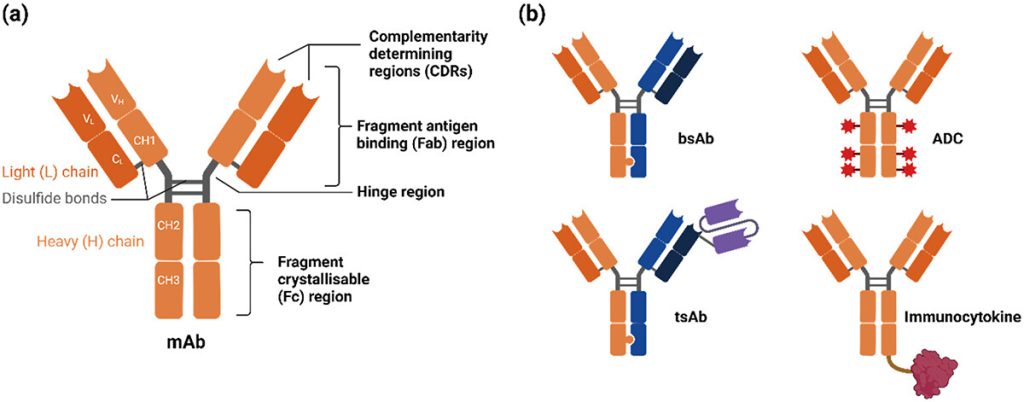
Antibody drug conjugates (ADCs) are a clinically approved class of therapeutics which can deliver payloads to desired cell types. We are developing new approaches to prepare ADCs that expand the types of drug payloads that can be delivered to diseased cell and tissue types.

Regulating transcription (i.e., the synthesis of an RNA sequence derived from a DNA template) is the fundamental process by which nature controls the early stages of gene expression, and ultimately cellular function. The selective recognition of double-stranded DNA sequences by transcription factors is used by cells to respond to environmental changes, regulating which genes are switched on or off, and is used to control differentiation from one cell type into another. Dysregulation of transcription is also a prominent feature of many neurodegenerative disease and cancer.  An enduring challenge in drug discovery is the design of synthetic transcription factors that correct aberrant transcription – i.e., turn on or off – of diseased genes. The group is developing a new generation of synthetic transcription factors that selectively recognise DNA sequences and modulate the expression of target genes.
Related Publications

118.

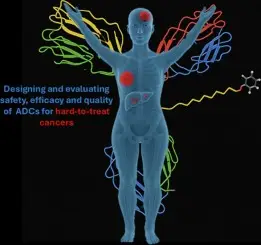
Antibody-drug conjugates as multimodal therapies against hard-to-treat cancers

114.

Quantifying antibody binding: techniques and therapeutic implications

109.

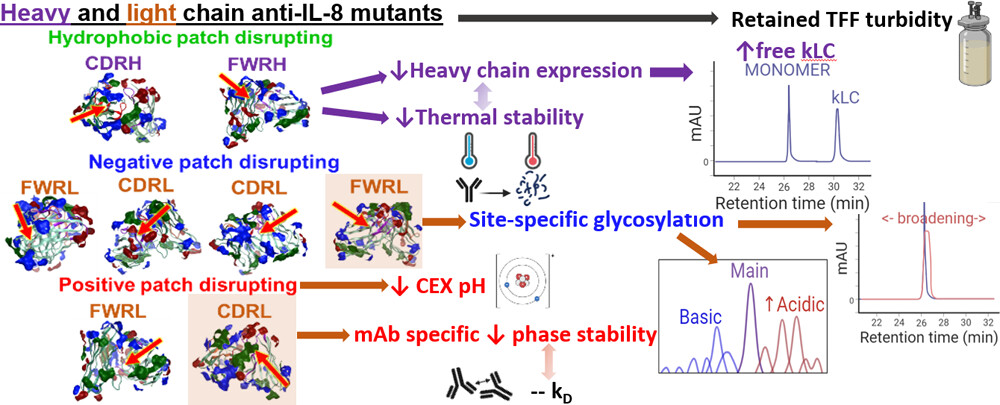
Assessing the Manufacturability and Critical Quality Attribute Profiles of Anti-IL-8 Immunoglobulin G Mutant Variants

106.

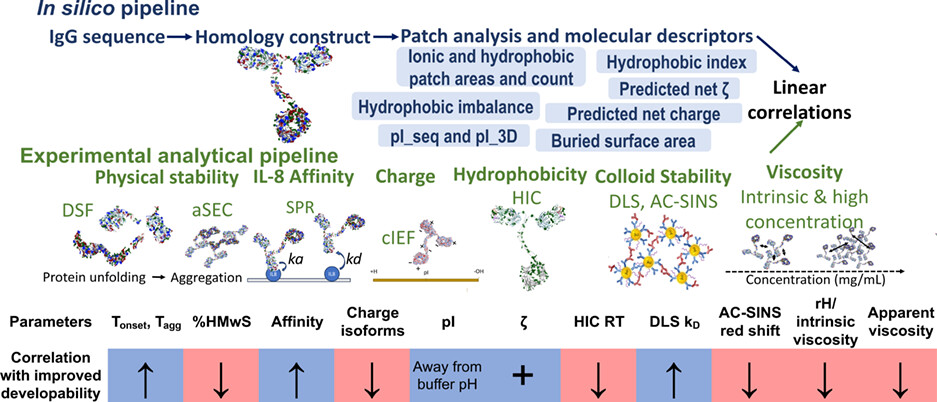
A framework for the biophysical screening of antibody mutations targeting solvent-accessible hydrophobic and electrostatic patches for enhanced viscosity profiles

105.

A First Insight into the Developability of an Immunoglobulin G3: A Combined Computational and Experimental Approach

99.

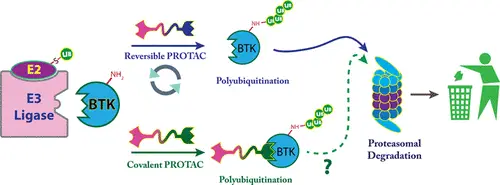
Antibody-Proteolysis Targeting Chimera Conjugate Enables Selective Degradation of Receptor-Interacting Serine/Threonine-Protein Kinase 2 in HER2+ Cell Lines