Bioconjugate
Design
Introduction
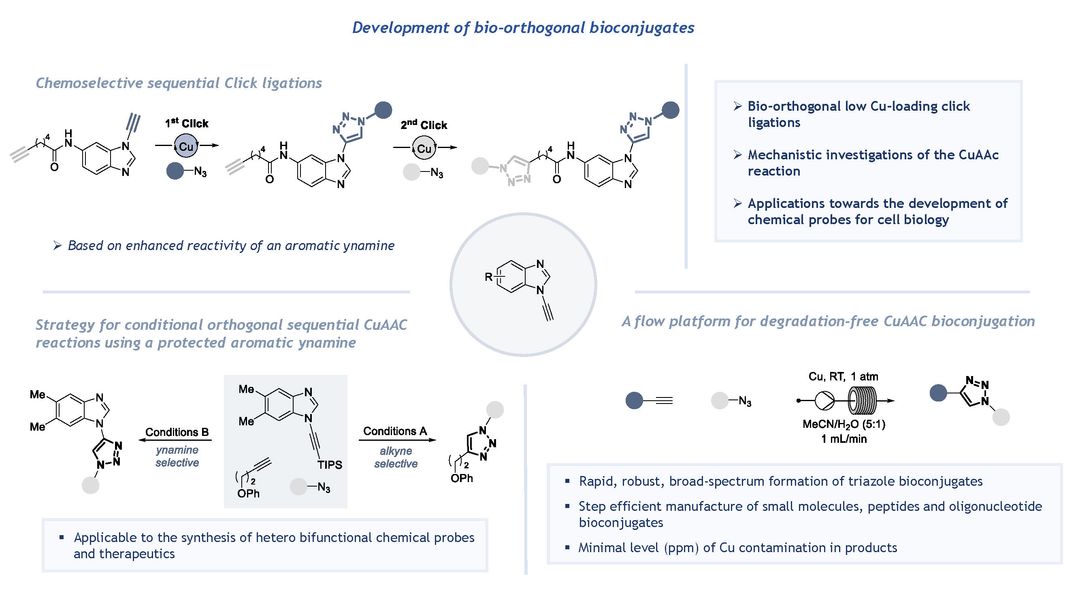
Bio-orthogonal chemistry enables the reaction of two reagents to occur in the presence of a myriad of other reactive groups present in the cellular environment. We are developing new bio-orthogonal reactions that are fast, produce a single product (i.e., no regioisomers) and can be used in the presence of other bio-orthogonal reagents. These reactions are being used to prepare protein and nucleic acid-based bioconjugates and as chemical probes in cell biology.

Related Publications
110.
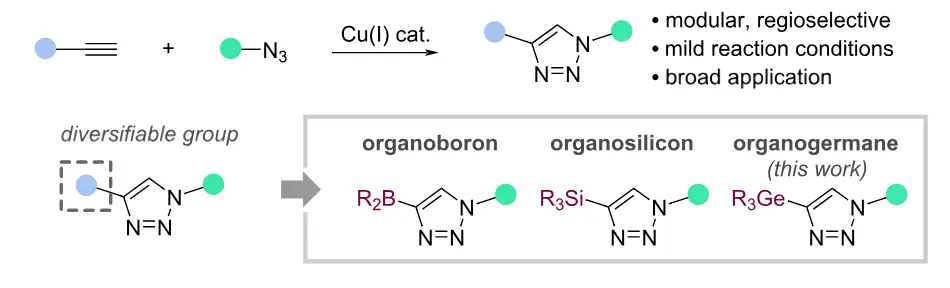
Germanyl triazoles as a platform for CuAAC diversification and chemoselective orthogonal cross-coupling
107.
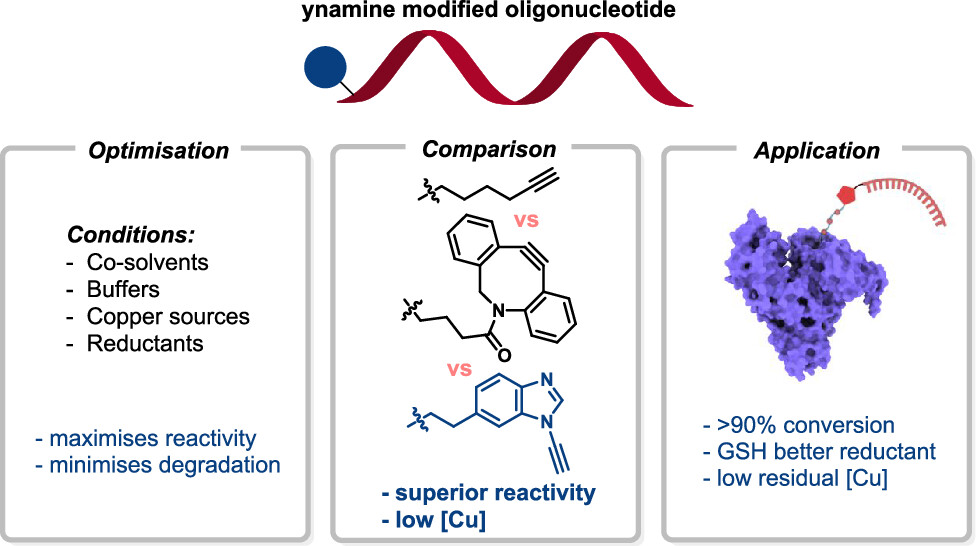
Reactivity Profiling for High-Yielding Ynamine-Tagged Oligonucleotide Click Chemistry Bioconjugations
103.
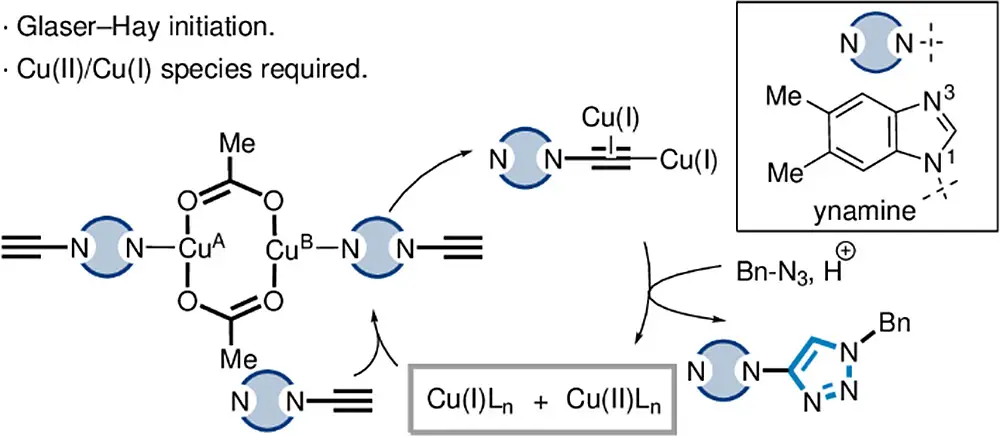
Mechanistic Basis of the Cu(OAc)2 Catalyzed Azide-Ynamine (3 + 2) Cycloaddition Reaction
98.
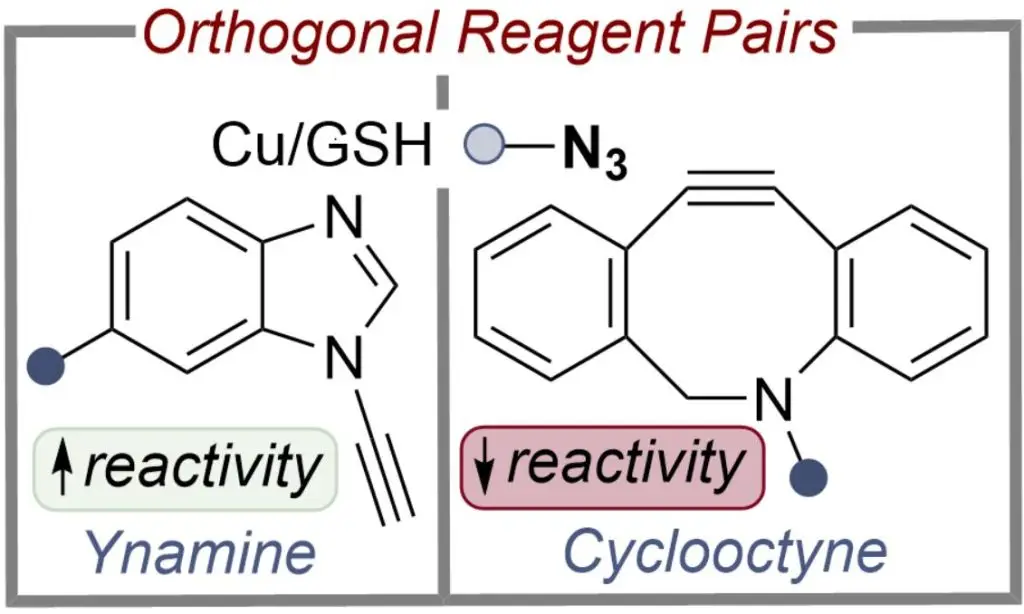
Glutathione Mediates Control of Dual Differential Bio-orthogonal Labelling of Biomolecules
73.
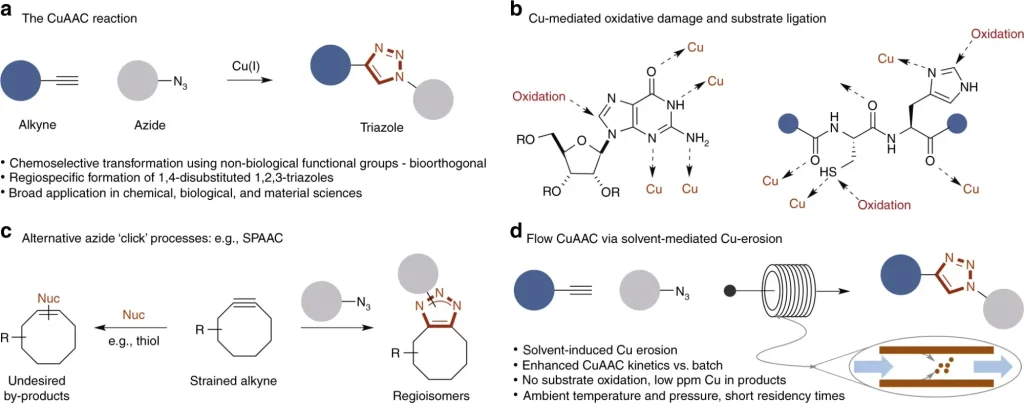
A flow platform for degradation-free CuAAC bioconjugation
64.
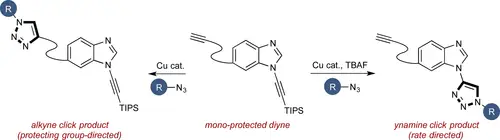
Strategy for Conditional Orthogonal Sequential CuAAC Reactions Using a Protected Aromatic Ynamine
60.
Determining the Origin of Rate-Independent Chemoselectivity in CuAAC Reactions: An Alkyne-Specific Shift in Rate-Determining Step
53.
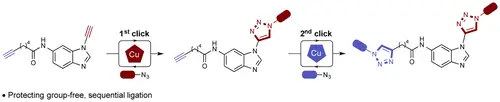
Chemoselective Sequential Click Ligations Directed by Enhanced Reactivity of an Aromatic Ynamine
35.
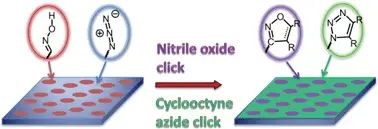
Orthogonal, metal-free surface modification by strain-promoted azide–alkyne and nitrile oxide–alkene/alkyne cycloadditions
34.
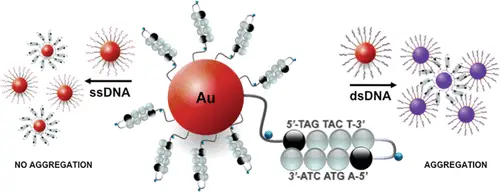
Directed Assembly of DNA-Functionalized Gold Nanoparticles Using Pyrrole–Imidazole Polyamides
32.
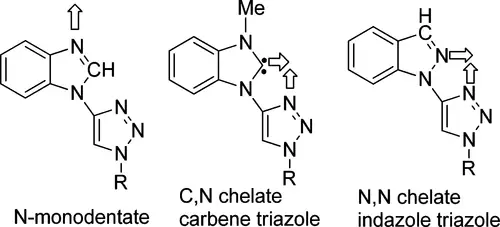
Triazoles from N-Alkynylheterocycles and Their Coordination to Iridium
27.
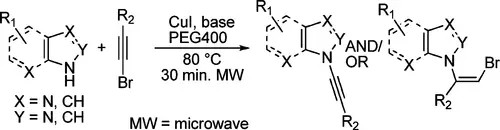
Cu-Catalyzed N-Alkynylation of Imidazoles, Benzimidazoles, Indazoles, and Pyrazoles Using PEG as Solvent Medium
26.
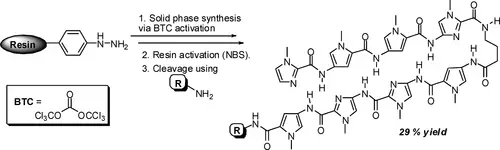
Highly Efficient Synthesis of DNA-Binding Hairpin Polyamides via the Use of a New Triphosgene Coupling Strategy
24.
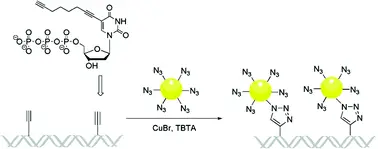
Chain-like assembly of gold nanoparticles on artificial DNA templates via ‘click chemistry’
18.
Click chemistry as a reliable method for the high-density functionalisation of alkyne-modified oligodeoxyribonucleotides
21.
Transfer Printing of DNA by “Click” Chemistry
22.
Synthesis of Highly Modified DNA by a Combination of PCR with Alkyne-Bearing Triphosphates and Click Chemistry